Services


Sectors
Insights
COMMERCIALIZATION
Insights







Follow Us
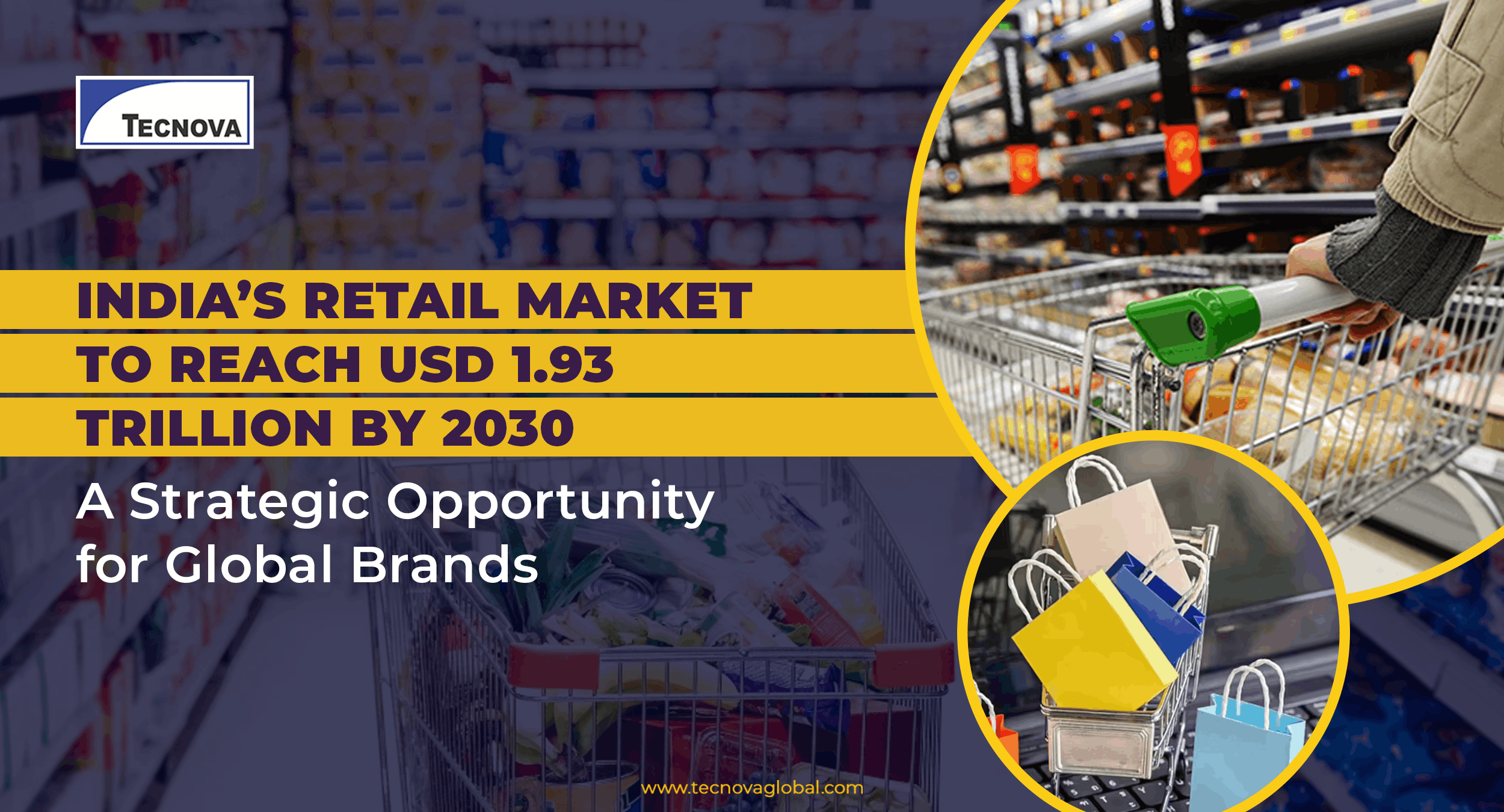
→ India’s retail market will grow from USD 1.06 trillion in 2024 to USD 1.93 trillion by 2030.
→ Private consumption is expected to form 60% of GDP by 2030.
→ E-commerce is projected to rise to USD 345 billion by 2030.
→ Rising incomes (USD 5000 per capita by 2030) and premiumisation accelerate growth in the retail sector.
→ FDI reforms and logistics upgrades strengthen India’s appeal for global retail investors.
→ Market entry & expansion
→ Consumer insights & demand analysis
→ Go-to-market strategy (pricing, positioning, channels)
→ Distribution & supply chain optimization
→ Retail strategy & modern trade/e-commerce growth
→ Brand building & marketing effectiveness
→ Regulatory and compliance advisory
Why is the retail sector in India attracting massive interest from global players?
India’s retail landscape has shown remarkable resilience and growth in recent years. The sector has become a pivotal player in the Indian economy, contributing more than 10% to India’s GDP. The industry is on a track to grow at a CAGR of 10% from USD 1.06 trillion in 2024 to USD 1.93 trillion in 2030.
The rapid expansion highlights strong consumption demand, changing lifestyle habits, rising incomes and purchasing power, enabling foreign firms to enter and invest in India’s retail industry.
Let us explore what makes India a booming retail destination.
The retail sector in India is globally the third-largest and one of the fastest‑growing consumer markets. In 2024, private consumption in India reached an estimated USD 2.1 trillion. This signals that private consumption will make 60% of the economy by 2030.
The Indian retail industry includes both organised and unorganised formats. The unorganised retail in India holds a large share, dominated by traditional outlets / Grocery Stores / Kiranas and local shops. However, the organised retail in India, such as supermarkets and modern stores, aims to capture 35% of the market by 2030, reaching USD 230 billion.
.jpg)
The retail sector in India is experiencing a strong surge. The growth is especially noticeable in Tier II and III cities. With over 100 million new consumers expected by 2030, digital integration and income diversification are accelerating this transformation.
Let us take a closer look at all the key drivers of the retail market:
1. Increasing Consumer Base
India has a population of over 1.4 billion, with 65% being below 35. This young and tech‑savvy generation is processing the evolution of retail.
As per a recent consumer index, 69% of consumers said store brands and private labels help them save money, while 47% said they are willing to buy branded products if they offer better taste and quality. Many Indians now have higher disposable income, resulting in a re-evaluation of retail choices.
2. Thriving E-Commerce Market
The rise of online shopping has transformed the retail market in India. In 2024, India’s e‑commerce market was valued at about USD 125 billion. It is expected to grow to over USD 345 billion by 2030 and USD 550 billion by 2035.
Quick commerce and delivery platforms are also adding value to this momentum.
In 2025, organised and e‑commerce retail channels together accounted for around 50% of sales in key food categories. This reflects changing shopping habits and how modern consumers expect speed and convenience from retailers.
3. Financing Innovation (Especially in Non-Metro Cities)
The above-mentioned e-commerce rise has witnessed an incredible share of consumers from smaller cities. Digital shoppers have grown 56% in 2024 and are expected to become 64% in 2030. Financial innovation, like UPI and digital wallets, is boosting this retail participation.
UPI processes more than 20 billion transactions per month. Over 75% of the nation’s retail payments have now become digital. In addition to organised retail in India, the unorganised retailers also benefit from QR-based payments and easy credit access.
4. Income Diversification
India’s per capita income has been rising steadily, from USD 2600 in FY 2024-25 to USD 5000 by 2030. The growing purchasing power in the upper middle class is enhancing demand for various categories like smartphones, beauty, dining, etc.
For example, India’s smartphone market has seen an annual value growth of 8% in 2025, driven by strong domestic demand and the ‘Premiumisation’ trend.
5. ‘Premiumisation’ Trend
Premiumisation simply means paying more value for better products. Recently, a multinational tech giant recorded its maximum value share of 28% in India’s smartphone market, all thanks to Premiumisation.
In addition to the Indian mobile market, the beauty and personal care industry is also driven by Premiumisation.
India is expected to become the world’s third-largest beauty and personal care market by 2030. The premium beauty segment is also growing steadily at 13 - 15% each year, according to industry estimates. In 2024, 27 new luxury international retail brands entered India, with Delhi-NCR being the most sought-after destination.
6. Brand Consciousness
Brand awareness is high among Indian consumers, especially GenZ’s. Since social media influences buying decisions, retailers are investing heavily in loyalty programs and personalised digital marketing.
Organised retail in India mostly benefits from this preference. It encourages more global sportswear and fashion brands to expand physical stores and online channels to enter the Indian market.
7. Shifting Global Trade Dynamics
India’s role in the global economy is evolving. Many global companies are repositioning operations in India, considering the nation as a strategic alternative to China.
India’s strong domestic demand makes it attractive for global retail investment. Structural shifts in global supply chains, like manufacturing partnerships and expanded logistics networks, are also reshaping opportunities for the retail sector in India.
The Government of India plays a key role in sustaining the strong growth in the Indian retail sector. Here’s how:
● The Government increased FDI caps in single-brand retail.
● Programs like Digital India promote digital infrastructure, while Make in India boosts local manufacturing and sourcing.
● Infrastructure projects such as Dedicated Freight Corridors and Multimodal Logistics Parks reduce supply chain costs.
● The introduction of GST has simplified taxation.
These reforms help organised retail scale fast in India, improving the nation’s ease-of-doing-business ranking globally.

Tecnova is a consulting firm that helps companies enter the retail sector in India.
Here’s how we help:
With our support, global retailers can enter and scale in the booming retail sector in India.
Note: For reference, 1 USD = INR 90.96
References:
Entry and Expansion Strategies for Indian Retail Industry
Supply Chain Optimisation for FMCG Companies
Unlock Success in the Indian Market with Tecnova - Retail and Consumer Goods Consulting
→ India’s retail market will grow from USD 1.06 trillion in 2024 to USD 1.93 trillion by 2030.
→ Private consumption is expected to form 60% of GDP by 2030.
→ E-commerce is projected to rise to USD 345 billion by 2030.
→ Rising incomes (USD 5000 per capita by 2030) and premiumisation accelerate growth in the retail sector.
→ FDI reforms and logistics upgrades strengthen India’s appeal for global retail investors.
→ Market entry & expansion
→ Consumer insights & demand analysis
→ Go-to-market strategy (pricing, positioning, channels)
→ Distribution & supply chain optimization
→ Retail strategy & modern trade/e-commerce growth
→ Brand building & marketing effectiveness
→ Regulatory and compliance advisory
Why is the retail sector in India attracting massive interest from global players?
India’s retail landscape has shown remarkable resilience and growth in recent years. The sector has become a pivotal player in the Indian economy, contributing more than 10% to India’s GDP. The industry is on a track to grow at a CAGR of 10% from USD 1.06 trillion in 2024 to USD 1.93 trillion in 2030.
The rapid expansion highlights strong consumption demand, changing lifestyle habits, rising incomes and purchasing power, enabling foreign firms to enter and invest in India’s retail industry.
Let us explore what makes India a booming retail destination.
The retail sector in India is globally the third-largest and one of the fastest‑growing consumer markets. In 2024, private consumption in India reached an estimated USD 2.1 trillion. This signals that private consumption will make 60% of the economy by 2030.
The Indian retail industry includes both organised and unorganised formats. The unorganised retail in India holds a large share, dominated by traditional outlets / Grocery Stores / Kiranas and local shops. However, the organised retail in India, such as supermarkets and modern stores, aims to capture 35% of the market by 2030, reaching USD 230 billion.
The retail sector in India is experiencing a strong surge. The growth is especially noticeable in Tier II and III cities. With over 100 million new consumers expected by 2030, digital integration and income diversification are accelerating this transformation.
Let us take a closer look at all the key drivers of the retail market:
1. Increasing Consumer Base
India has a population of over 1.4 billion, with 65% being below 35. This young and tech‑savvy generation is processing the evolution of retail.
As per a recent consumer index, 69% of consumers said store brands and private labels help them save money, while 47% said they are willing to buy branded products if they offer better taste and quality. Many Indians now have higher disposable income, resulting in a re-evaluation of retail choices.
2. Thriving E-Commerce Market
The rise of online shopping has transformed the retail market in India. In 2024, India’s e‑commerce market was valued at about USD 125 billion. It is expected to grow to over USD 345 billion by 2030 and USD 550 billion by 2035.
Quick commerce and delivery platforms are also adding value to this momentum.
In 2025, organised and e‑commerce retail channels together accounted for around 50% of sales in key food categories. This reflects changing shopping habits and how modern consumers expect speed and convenience from retailers.
3. Financing Innovation (Especially in Non-Metro Cities)
The above-mentioned e-commerce rise has witnessed an incredible share of consumers from smaller cities. Digital shoppers have grown 56% in 2024 and are expected to become 64% in 2030. Financial innovation, like UPI and digital wallets, is boosting this retail participation.
UPI processes more than 20 billion transactions per month. Over 75% of the nation’s retail payments have now become digital. In addition to organised retail in India, the unorganised retailers also benefit from QR-based payments and easy credit access.
4. Income Diversification
India’s per capita income has been rising steadily, from USD 2600 in FY 2024-25 to USD 5000 by 2030. The growing purchasing power in the upper middle class is enhancing demand for various categories like smartphones, beauty, dining, etc.
For example, India’s smartphone market has seen an annual value growth of 8% in 2025, driven by strong domestic demand and the ‘Premiumisation’ trend.
5. ‘Premiumisation’ Trend
Premiumisation simply means paying more value for better products. Recently, a multinational tech giant recorded its maximum value share of 28% in India’s smartphone market, all thanks to Premiumisation.
In addition to the Indian mobile market, the beauty and personal care industry is also driven by Premiumisation.
India is expected to become the world’s third-largest beauty and personal care market by 2030. The premium beauty segment is also growing steadily at 13 - 15% each year, according to industry estimates. In 2024, 27 new luxury international retail brands entered India, with Delhi-NCR being the most sought-after destination.
6. Brand Consciousness
Brand awareness is high among Indian consumers, especially GenZ’s. Since social media influences buying decisions, retailers are investing heavily in loyalty programs and personalised digital marketing.
Organised retail in India mostly benefits from this preference. It encourages more global sportswear and fashion brands to expand physical stores and online channels to enter the Indian market.
7. Shifting Global Trade Dynamics
India’s role in the global economy is evolving. Many global companies are repositioning operations in India, considering the nation as a strategic alternative to China.
India’s strong domestic demand makes it attractive for global retail investment. Structural shifts in global supply chains, like manufacturing partnerships and expanded logistics networks, are also reshaping opportunities for the retail sector in India.
The Government of India plays a key role in sustaining the strong growth in the Indian retail sector. Here’s how:
● The Government increased FDI caps in single-brand retail.
● Programs like Digital India promote digital infrastructure, while Make in India boosts local manufacturing and sourcing.
● Infrastructure projects such as Dedicated Freight Corridors and Multimodal Logistics Parks reduce supply chain costs.
● The introduction of GST has simplified taxation.
These reforms help organised retail scale fast in India, improving the nation’s ease-of-doing-business ranking globally.
Tecnova is a consulting firm that helps companies enter the retail sector in India.
Here’s how we help:
With our support, global retailers can enter and scale in the booming retail sector in India.
Note: For reference, 1 USD = INR 90.96
References:
Entry and Expansion Strategies for Indian Retail Industry
Supply Chain Optimisation for FMCG Companies
Unlock Success in the Indian Market with Tecnova - Retail and Consumer Goods Consulting












%20(1).png)
.jpg)
.png)

%20(1).png)
.jpg)


.png)



.jpeg)







.png)

.png)



.jpg)



.jpg)

.jpg)