Services


Sectors
Insights
COMMERCIALIZATION
Insights







Follow Us
%20(1).png)
End-to-End Import Management Services for Indian Subsidiaries
What are the Import Management Challenges Subsidiaries Face in India?
How is Import Management Services Transforming in India?
Import Management Solutions Offered to Subsidiaries in India
Tecnova’s Approach to Import Management Services in India
End-to-End Import Management Services for Indian Subsidiaries
What are the Import Management Challenges Subsidiaries Face in India?
How is Import Management Services Transforming in India?
Import Management Solutions Offered to Subsidiaries in India
Tecnova’s Approach to Import Management Services in India
Can subsidiaries in India thrive in its complex import environment?
The answer lies in the transformative import management solutions in India.
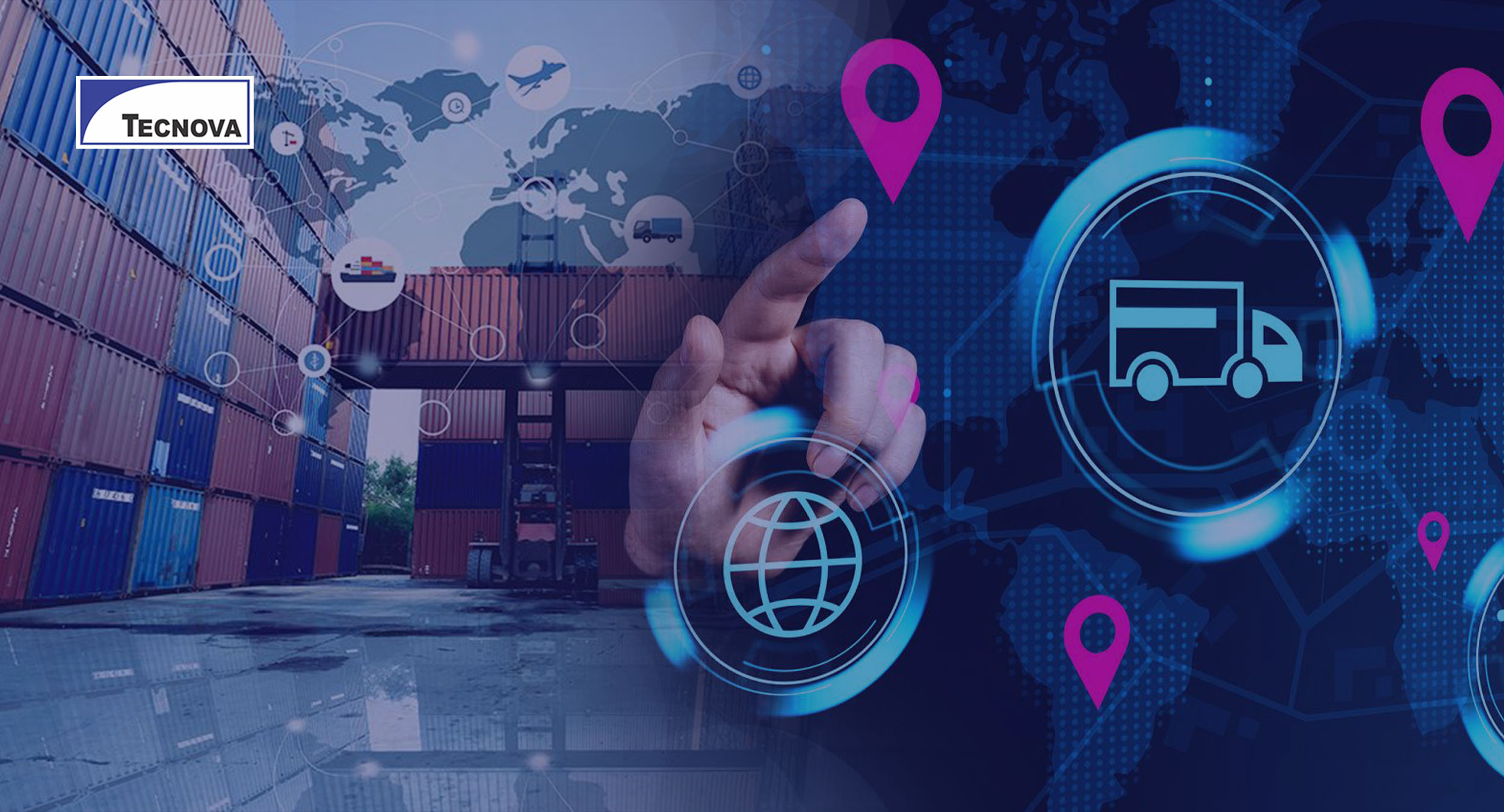
India’s trading ecosystem is rapidly expanding. Thus, it attracts many multinational companies to set up subsidiaries in India. These subsidiaries heavily rely on efficient import services to sustain manufacturing and distribution.
As per the official data, India’s total imports between April 2025 and February 2026 are estimated at USD 900.51 billion, surged by 7.37%. This scale creates both opportunity and operational complexity for subsidiaries functioning in India.
This article explores India’s import market, its challenges and how evolving import regulations in India benefit foreign subsidiaries.
Currently, India stands as one of the fastest-growing economies. The International Monetary Fund (IMF) has projected a GDP growth of 6.2% in India during FY 2026-27. Thanks to the rising economy, industrial expansion and increasing domestic demand, India’s import ecosystem is also booming.
For example:
● The nation closed approximately USD 80.09 billion of imports, combining merchandise and services, in February 2026.
● In FY 2024-25, India imported approximately 300 million metric tons of petroleum products and crude oil.
● The LPG sourcing alone aims to reach 23 million tons by 2026.
● Being a major agrarian economy, India relies on importing certain fertilisers, around 40% of DAP (Diammonium Phosphate) and 100% of MOP (Muriate of Potash).
All these imports create a huge sourcing opportunity for subsidiaries. It allows them to easily access low-cost raw materials, reducing manufacturing costs.
Additionally, government initiatives like Production Linked Incentive (PLI) schemes offer financial incentives, around 4% to 6%, to eligible subsidiaries.
These schemes encourage local production, increasing the requirement for imported intermediate goods.
The China+1 strategy is another major factor driving India’s import landscape. Global companies are diversifying supply chains to reduce reliance on China. Hence, India has become a preferred destination for setting up subsidiaries.
This combination of policy support, market expansion, economic surge and global supply chain shifts makes India a strategic location for import-related operations.
Though India offers multiple import opportunities, the complex import environment makes it tough for subsidiaries. They encounter multiple challenges that impact their manufacturing cost and compliance. Take a look at some of them:
1. High Tariff Rate and Protectionist Policies:
Among all the G20 nations, India has the highest average applied tariff. These tariffs aim to promote domestic manufacturing. However, they increase input costs for subsidiaries relying on imports.
For example, customs duty on imports of electronics increased to 20%, making both imported components and finished products more expensive.
2. Infrastructural and Logistics Inefficiencies
Ports of India witness billions worth of imports every month. However, delays still occur due to documentation errors and customs inspection.
For example, India recorded a total import of USD 104 billion in Q2 FY 2025-26. This indicates heavy pressure on logistics infrastructure. Even a 2-day delay can seriously impact subsidiaries’ production cycle.
3. Valuation and Classification Issues
Another common compliance challenge that subsidiaries face in India is incorrect HSN classification. Customs authorities in India closely monitor the valuation of imported goods, especially in related-party transactions.
Undervaluation in intra-company imports can incur heavy penalties. This is why accurate import documentation in India is critical to ensure compliance and avoid disputes.
4. Regional Variations
India has a diverse federal structure. Although customs regulations are operated by the Central Government of India, regional variations still exist.
For instance, logistics costs and warehousing rules differ between states. Subsidiaries can reach out to Indian consulting firms, like Tecnova, to tailor strategies based on regional dynamics.
5. Foreign Exchange and Repatriation Risk
Foreign exchange compliance is a major concern. India regulates cross-border payments under the Foreign Exchange Management Act (FEMA), which the Reserve Bank of India oversees.
It incurs the risk of currency fluctuation and also sets a strict timeline for import payments. Delayed payments can trigger compliance checks and regulatory scrutiny.

The import landscape is undergoing rapid transformation, starting with digitalisation. India has digitised a large part of its customs processes.
The majority of import documentation is now processed electronically. Automated systems reduce human error and speed up the process. This significantly enhances efficiency in import management solutions in India.
Other transformations include:
1. Risk Management and Compliance
Compliance is becoming data-driven. Foreign subsidiaries now use dashboards, like the Indian Trade Portal, to monitor regulatory changes and tariff updates. This proactive approach reduces penalties and improves operational control.
2. Integrated Trade Platforms
Integrated platforms connect procurement, logistics and finance. It enables end-to-end visibility across the supply chain. For example, a foreign subsidiary can track shipments and process customs filings in a single system.
3. Cost Optimisation
Cost pressures are increasing due to tariffs and logistics costs. Advanced analytics help subsidiaries optimise shipping routes and select suppliers based on preferences. These changes optimise the overall cost, which significantly impacts profitability for high-volume importers.
4. Trade Agreement Utilisation
India is actively expanding its FTA network. The nation signed more than 13 Regional Trade Agreements and Free Trade Agreements with nations like the UAE, Australia, the EU and South Korea.
These agreements offer reduced or zero-duty imports. Leveraging RTAs and FTAs is a major opportunity within the import process for subsidiaries in India.
The Government of India has introduced various import management solutions to benefit both MSMEs and foreign subsidiaries. Take a look:
1. Import Authorisation for Restricted Imports
Not all goods can be freely imported into India. Certain products fall under the ‘restricted' category and require prior approval from regulatory authorities. The pre-arranged approval avoids costly delays, strengthening overall import compliance in India for foreign subsidiaries.
2. Tariff Rate Quota
Tariff Rate Quota allows companies to import certain goods at reduced or zero duty up to a specific quantity. However, once the quota is exhausted, higher tariffs apply. This is commonly used for agricultural products, like pulses and grains, and industrial raw materials.
3. Registration Certificate for Imports
The Government of India mandates product-specific registrations for certain categories before import. For instance, a subsidiary importing consumer electronics must obtain BIS certification before shipping products to India.
4. Advance Ruling for Import Classification
Classification disputes are a major challenge in India’s import ecosystem. Incorrect HSN code selection can lead to delays in customs clearance. Advance ruling is a mechanism that allows subsidiaries to file an application to customs authorities mentioning the features and other details of goods before importing.
For example, a subsidiary importing new-age electronic components can apply for an advance ruling to confirm the correct classification and duty rate.
5. EPCG Scheme Advisory
The Export Promotion Capital Goods (EPCG) scheme is a key incentive for manufacturing subsidiaries. It allows duty-free import of capital goods such as machinery and equipment.
In return, companies must fulfil export obligations over a specified period. For example, a manufacturing subsidiary setting up a new plant can import machinery without paying customs duty under EPCG, significantly reducing initial investment costs.

Tecnova enables efficient import management solutions in India by offering end-to-end support to foreign subsidiaries.
We help to:
● Streamline import processes through accurate documentation and regulatory alignment.
● Comply with FEMA norms under the Reserve Bank of India
● Leverage FTAs and the EPCG scheme for maximum cost savings.
The expert-approved approach of Tecnova improves visibility and reduces risks, helping foreign subsidiaries to ensure a strong import compliance in India.
References:
https://shorturl.at/vzCPh
https://shorturl.at/LPLIP
https://shorturl.at/Qc8ZX
https://shorturl.at/nB8J3
https://shorturl.at/jIMDp
End-to-End Import Management Services for Indian Subsidiaries
What are the Import Management Challenges Subsidiaries Face in India?
How is Import Management Services Transforming in India?
Import Management Solutions Offered to Subsidiaries in India
Tecnova’s Approach to Import Management Services in India
End-to-End Import Management Services for Indian Subsidiaries
What are the Import Management Challenges Subsidiaries Face in India?
How is Import Management Services Transforming in India?
Import Management Solutions Offered to Subsidiaries in India
Tecnova’s Approach to Import Management Services in India
Can subsidiaries in India thrive in its complex import environment?
The answer lies in the transformative import management solutions in India.
India’s trading ecosystem is rapidly expanding. Thus, it attracts many multinational companies to set up subsidiaries in India. These subsidiaries heavily rely on efficient import services to sustain manufacturing and distribution.
As per the official data, India’s total imports between April 2025 and February 2026 are estimated at USD 900.51 billion, surged by 7.37%. This scale creates both opportunity and operational complexity for subsidiaries functioning in India.
This article explores India’s import market, its challenges and how evolving import regulations in India benefit foreign subsidiaries.
Currently, India stands as one of the fastest-growing economies. The International Monetary Fund (IMF) has projected a GDP growth of 6.2% in India during FY 2026-27. Thanks to the rising economy, industrial expansion and increasing domestic demand, India’s import ecosystem is also booming.
For example:
● The nation closed approximately USD 80.09 billion of imports, combining merchandise and services, in February 2026.
● In FY 2024-25, India imported approximately 300 million metric tons of petroleum products and crude oil.
● The LPG sourcing alone aims to reach 23 million tons by 2026.
● Being a major agrarian economy, India relies on importing certain fertilisers, around 40% of DAP (Diammonium Phosphate) and 100% of MOP (Muriate of Potash).
All these imports create a huge sourcing opportunity for subsidiaries. It allows them to easily access low-cost raw materials, reducing manufacturing costs.
Additionally, government initiatives like Production Linked Incentive (PLI) schemes offer financial incentives, around 4% to 6%, to eligible subsidiaries.
These schemes encourage local production, increasing the requirement for imported intermediate goods.
The China+1 strategy is another major factor driving India’s import landscape. Global companies are diversifying supply chains to reduce reliance on China. Hence, India has become a preferred destination for setting up subsidiaries.
This combination of policy support, market expansion, economic surge and global supply chain shifts makes India a strategic location for import-related operations.
Though India offers multiple import opportunities, the complex import environment makes it tough for subsidiaries. They encounter multiple challenges that impact their manufacturing cost and compliance. Take a look at some of them:
1. High Tariff Rate and Protectionist Policies:
Among all the G20 nations, India has the highest average applied tariff. These tariffs aim to promote domestic manufacturing. However, they increase input costs for subsidiaries relying on imports.
For example, customs duty on imports of electronics increased to 20%, making both imported components and finished products more expensive.
2. Infrastructural and Logistics Inefficiencies
Ports of India witness billions worth of imports every month. However, delays still occur due to documentation errors and customs inspection.
For example, India recorded a total import of USD 104 billion in Q2 FY 2025-26. This indicates heavy pressure on logistics infrastructure. Even a 2-day delay can seriously impact subsidiaries’ production cycle.
3. Valuation and Classification Issues
Another common compliance challenge that subsidiaries face in India is incorrect HSN classification. Customs authorities in India closely monitor the valuation of imported goods, especially in related-party transactions.
Undervaluation in intra-company imports can incur heavy penalties. This is why accurate import documentation in India is critical to ensure compliance and avoid disputes.
4. Regional Variations
India has a diverse federal structure. Although customs regulations are operated by the Central Government of India, regional variations still exist.
For instance, logistics costs and warehousing rules differ between states. Subsidiaries can reach out to Indian consulting firms, like Tecnova, to tailor strategies based on regional dynamics.
5. Foreign Exchange and Repatriation Risk
Foreign exchange compliance is a major concern. India regulates cross-border payments under the Foreign Exchange Management Act (FEMA), which the Reserve Bank of India oversees.
It incurs the risk of currency fluctuation and also sets a strict timeline for import payments. Delayed payments can trigger compliance checks and regulatory scrutiny.
The import landscape is undergoing rapid transformation, starting with digitalisation. India has digitised a large part of its customs processes.
The majority of import documentation is now processed electronically. Automated systems reduce human error and speed up the process. This significantly enhances efficiency in import management solutions in India.
Other transformations include:
1. Risk Management and Compliance
Compliance is becoming data-driven. Foreign subsidiaries now use dashboards, like the Indian Trade Portal, to monitor regulatory changes and tariff updates. This proactive approach reduces penalties and improves operational control.
2. Integrated Trade Platforms
Integrated platforms connect procurement, logistics and finance. It enables end-to-end visibility across the supply chain. For example, a foreign subsidiary can track shipments and process customs filings in a single system.
3. Cost Optimisation
Cost pressures are increasing due to tariffs and logistics costs. Advanced analytics help subsidiaries optimise shipping routes and select suppliers based on preferences. These changes optimise the overall cost, which significantly impacts profitability for high-volume importers.
4. Trade Agreement Utilisation
India is actively expanding its FTA network. The nation signed more than 13 Regional Trade Agreements and Free Trade Agreements with nations like the UAE, Australia, the EU and South Korea.
These agreements offer reduced or zero-duty imports. Leveraging RTAs and FTAs is a major opportunity within the import process for subsidiaries in India.
The Government of India has introduced various import management solutions to benefit both MSMEs and foreign subsidiaries. Take a look:
1. Import Authorisation for Restricted Imports
Not all goods can be freely imported into India. Certain products fall under the ‘restricted' category and require prior approval from regulatory authorities. The pre-arranged approval avoids costly delays, strengthening overall import compliance in India for foreign subsidiaries.
2. Tariff Rate Quota
Tariff Rate Quota allows companies to import certain goods at reduced or zero duty up to a specific quantity. However, once the quota is exhausted, higher tariffs apply. This is commonly used for agricultural products, like pulses and grains, and industrial raw materials.
3. Registration Certificate for Imports
The Government of India mandates product-specific registrations for certain categories before import. For instance, a subsidiary importing consumer electronics must obtain BIS certification before shipping products to India.
4. Advance Ruling for Import Classification
Classification disputes are a major challenge in India’s import ecosystem. Incorrect HSN code selection can lead to delays in customs clearance. Advance ruling is a mechanism that allows subsidiaries to file an application to customs authorities mentioning the features and other details of goods before importing.
For example, a subsidiary importing new-age electronic components can apply for an advance ruling to confirm the correct classification and duty rate.
5. EPCG Scheme Advisory
The Export Promotion Capital Goods (EPCG) scheme is a key incentive for manufacturing subsidiaries. It allows duty-free import of capital goods such as machinery and equipment.
In return, companies must fulfil export obligations over a specified period. For example, a manufacturing subsidiary setting up a new plant can import machinery without paying customs duty under EPCG, significantly reducing initial investment costs.
Tecnova enables efficient import management solutions in India by offering end-to-end support to foreign subsidiaries.
We help to:
● Streamline import processes through accurate documentation and regulatory alignment.
● Comply with FEMA norms under the Reserve Bank of India
● Leverage FTAs and the EPCG scheme for maximum cost savings.
The expert-approved approach of Tecnova improves visibility and reduces risks, helping foreign subsidiaries to ensure a strong import compliance in India.
References:
https://shorturl.at/vzCPh
https://shorturl.at/LPLIP
https://shorturl.at/Qc8ZX
https://shorturl.at/nB8J3
https://shorturl.at/jIMDp













.jpg)
.png)


%20(1).png)
.jpg)


.png)



.jpeg)












.png)

.png)







.jpg)




.jpg)


.jpg)