Services


Sectors
Insights
COMMERCIALIZATION
Insights







Follow Us

USD 130 billion - Expected size of India’s pharmaceutical market by 2030.
20% - Approx. share of global generic medicines supplied by India.
70% - Nearly this share of global vaccine demand is supplied by India.
10,500+ - Pharmaceutical manufacturing facilities across the country.
200+ Countries - India’s pharmaceutical exports reach markets worldwide.
Global Talent Pool - Strong capabilities across R&D, manufacturing, quality and regulatory functions.
High-Growth Segments - APIs, CDMO, biotechnology, biosimilars, clinical research and medical devices.
Multiple Entry Routes - Companies can enter through partnerships, contract manufacturing, acquisitions, JVs or their own operations.
India is not just a manufacturing destination - it can be a strategic growth platform across the pharmaceutical value chain.
Market Opportunity Assessment - Identify the right pharmaceutical segments, competitors and growth opportunities.
India Market Entry Strategy - Build the right entry model based on your investment goals, risk appetite and growth plans.
Regulatory & Compliance Support - Navigate product registration, regulatory requirements and compliance obligations.
Partner Identification & Due Diligence - Find and evaluate the right distributors, manufacturers, CRAMS, clinical research and strategic partners.
Business Setup & Incorporation - Support the establishment of the right India entity and operating structure.
Manufacturing & Factory Setup - Support greenfield or brownfield projects, including planning and project management.
Sourcing & Supply Chain - Identify sourcing opportunities for APIs, formulations and intermediates while building an efficient supply chain.
Commercialisation & Distribution - Develop go-to-market strategies and support distribution rollout.
M&A & Joint Ventures - Evaluate acquisition and JV opportunities and support commercial and strategic due diligence.
Ongoing Expansion Support - Help global pharmaceutical companies scale operations, strengthen their India presence and pursue new growth opportunities.
Tecnova: From India Entry Strategy to Local Execution
With 40+ years of experience, 2,000+ clients and operations across 35+ countries, Tecnova helps global companies turn their India expansion plans into practical, locally executed strategies.
India has built its reputation as the ‘pharmacy of the world.’ The nation now offers a complete ecosystem for research, manufacturing, biotechnology, clinical development, exports and many more.
At the same time, global pharmaceutical companies face rising manufacturing costs, supply chain disruptions, patent expiries, stricter regulations, an ageing population and growing demand for personalised medicines and biologics.
As per recent government reports, India's pharmaceutical market is expected to reach USD 130 billion by 2030, while the country already supplies around 20% of the world's generic medicines and nearly 70% of global vaccine demand.
These opportunities make pharmaceutical consulting services important for foreign companies that want to expand into India with confidence and speed.
India has become one of the world's most influential pharmaceutical markets. The nation offers a rare combination of large-scale manufacturing, scientific expertise, regulatory capabilities and competitive production costs. This is the reason the country is a preferred destination for global pharmaceutical companies that are looking to expand.
Today, India ranks as the third-largest pharmaceutical producer by volume and the eleventh-largest by value. As per recent government reports, India is home to more than 10,500 manufacturing facilities, including the highest number of USFDA-compliant plants outside the United States.
India's capabilities extend far beyond generic medicines. The country has built a strong ecosystem across pharmaceutical manufacturing in India, active pharmaceutical ingredients (APIs), contract development and manufacturing (CDMO), biotechnology, clinical research and medical devices.
India offers an ecosystem that supports every stage of pharmaceutical business growth. Here is a detailed understanding of why foreign pharmaceutical companies prefer India for their business:
• Offers cost-efficient manufacturing with globally recognised quality standards
• Aligned with international compliance requirements as a mature regulatory ecosystem
• Has a highly skilled scientific workforce across research, manufacturing and quality assurance
• Offers a strong export infrastructure that serves more than 200 countries
• One of the fastest-growing domestic pharmaceutical markets in the world
• Rapid growth in biotechnology, biosimilars, contract research and advanced therapies.
• Government initiatives such as PLI schemes, bulk drug parks and medical device parks that strengthen domestic manufacturing and reduce import dependence
Regulatory planning, partner selection, commercial strategy, execution, etc., make a successful market entry. This is where experienced pharmaceutical consulting services create long-lasting value. They help global companies enter the Indian market with greater certainty and reduced operational risk.

India's pharmaceutical sector offers several opportunities. For example, global companies can participate across the entire value chain. This allows businesses to choose an expansion model that matches their long-term objectives. Here is a detailed understanding of several high-potential segments:
• Active Pharmaceutical Ingredients (APIs): India continues to strengthen domestic API production through government-backed initiatives.
• Contract Development and Manufacturing (CDMO): Demand for outsourcing continues to grow as pharmaceutical companies look for cost-efficient manufacturing partners.
• Biotechnology and Biosimilars: India has become one of the leading destinations for biosimilar and biologic development. Rising healthcare demand and strong scientific capabilities continue to support it.
• Clinical Research: A large treatment population, experienced investigators and improved regulatory processes make India an attractive destination for clinical trials and drug development.
• Medical Devices: The medical device sector continues to expand. Dedicated manufacturing parks and supportive government policies drive it.
The pharmaceutical industry is expected to grow steadily over the next decade. The growth will happen due to favourable demographics, increasing healthcare expenditure, stronger domestic manufacturing and rising exports. This creates an ideal environment for pharmaceutical business expansion supported by the right strategic guidance.
India offers significant growth potential, but expansion requires careful planning. Companies that underestimate regulatory requirements or local market dynamics often face several challenges. Here are several challenges global pharmaceutical companies face in India:
1. Regulatory and Compliance Requirements
India's pharmaceutical sector is governed by multiple regulatory authorities. Foreign companies need to comply with licensing requirements, product registrations, quality standards, environmental regulations, etc. Regulatory timelines also vary depending on the product category and approval pathway.
2. Intellectual Property and Patent Protection
India follows a well-established intellectual property framework that balances innovation with public healthcare needs. Patent filing strategies, technology transfer agreements and data protection require careful legal evaluation. Companies need to ensure their intellectual property aligns with Indian regulations.
3. Dependence on Raw Material Imports
Although India has significantly expanded domestic API production, certain raw materials and specialised intermediates still depend on international supply chains. Global disruptions can influence procurement costs and production timelines.
4. Price Control Regulations
Certain pharmaceutical products fall under India's price control framework. Foreign businesses need to understand pricing regulations, reimbursement mechanisms and market access strategies before launching their products. Early commercial planning helps companies maintain profitability while remaining fully compliant.
5. Cross-Border Taxation and Business Structure
Foreign investors should evaluate corporate structures, transfer pricing, customs regulations, indirect taxation and cross-border financial transactions before establishing operations. A well-planned market entry strategy helps reduce unnecessary tax exposure and operational complexity.
6. Talent Availability and Operational Scale
India has one of the world's largest pharmaceutical talent pools. However, competition for experienced specialists is increasing across biologics, regulatory affairs, advanced manufacturing, quality checks and digital healthcare. Businesses also need effective leadership teams that understand local market conditions and regulations.

Foreign pharmaceutical companies need to select the right entry model to enter India successfully. The choice depends on investment capacity, business objectives, risk appetite and long-term growth plans.
Contract manufacturing offers a faster and more cost-effective route to market. It allows companies to leverage established manufacturing facilities, experienced technical teams and existing regulatory approvals.
A joint venture offers greater operational control and stronger local market integration. It allows foreign companies to combine their technology, products, or expertise with an Indian partner. However, this model requires higher investment and careful partner selection.
Regardless of the model global companies choose, detailed commercial evaluation and regulatory planning remain crucial before making investment decisions.
Companies need a structured strategy that aligns commercial objectives with regulatory requirements. These are the steps that help create a successful expansion roadmap:
• Market research and opportunity assessment
• Competitive benchmarking
• Regulatory mapping
• Business model selection
• Partner identification
• Due diligence
• Business setup
• Supply chain planning
• Commercial operations
Each of these stages influences long-term success. Companies that approach expansion through a structured framework are better equipped to manage risks, reduce delays and achieve sustainable growth.
The right consulting partner helps businesses evaluate opportunities objectively, identify suitable collaborators, conduct comprehensive due diligence and develop practical market entry strategies. A right consulting partner also supports regulatory planning, investment evaluation, supply chain design, localisation strategies and risk management.
A strong partner brings local knowledge together with global business experience. This reduces uncertainty during expansion and improves decision-making at every stage. Businesses can respond more quickly to regulatory changes and optimise investments with greater confidence.
India has become one of the world's most attractive pharmaceutical destinations. It offers manufacturing scale, scientific talent, policy support and, overall, a rapidly growing domestic market. Latest government initiatives strengthen local production, improve the supply chain and encourage innovation across pharmaceuticals and biotechnology.
For global companies, India provides a strategic platform for long-term growth. Success depends on choosing the right market entry strategy and an experienced partner. With expert pharmaceutical consulting services, businesses can confidently unlock India's full potential.

Expanding into India's pharmaceutical market requires the right strategy and local expertise. Tecnova helps global companies navigate every stage of the expansion journey through tailored pharmaceutical consulting services.
Here is how Tecnova supports foreign pharmaceutical companies across key business areas:
• India market entry consulting and growth strategy
• Regulatory advisory and compliance support
• Partner identification and due diligence
• Business setup and operational planning
• Supply chain optimisation and risk assessment
• Market expansion and commercial strategy
This end-to-end approach helps businesses reduce risks, speed up market entry and make informed investment decisions.
1. Can a foreign pharmaceutical company sell its existing products in India without setting up a manufacturing facility?
Yes. A foreign pharmaceutical company does not necessarily need to establish a manufacturing facility to enter India. Depending on the product and regulatory requirements, it can work with an approved local manufacturer, distributor or other commercial partner.
This approach can allow a company to test market demand before making a larger manufacturing investment. However, product registration, import requirements, quality standards and distribution arrangements need to be evaluated before launch.
2. Is India better suited for pharmaceutical manufacturing or market expansion?
India can support both objectives. Companies looking for manufacturing diversification can use India's established production ecosystem and supplier base. Companies focused on commercial growth can access a large and expanding domestic healthcare market.
Many international businesses pursue both objectives over time. They may initially enter through imports or partnerships and later establish local manufacturing or other operations as the market develops.
3. What should a foreign pharmaceutical company assess before investing in an Indian facility?
A company should evaluate much more than the cost of land and construction. Important factors include proximity to suppliers and customers, availability of skilled talent, utilities, logistics, regulatory requirements, environmental considerations, manufacturing infrastructure and potential government incentives.
The company should also assess whether the proposed facility can support future production requirements. This can help avoid choosing a location that works for the initial investment but becomes inefficient as the business grows.
4. How can foreign pharmaceutical companies protect their global brand and product positioning in India?
A global pharmaceutical brand may need to adapt its positioning to India's healthcare market while maintaining consistency with its international brand strategy. Companies should understand local competition, customer segments, pricing expectations, distribution channels and healthcare decision-making.
The product strategy should also account for applicable regulatory and intellectual property requirements. A strong local commercial strategy can help a global brand build credibility without losing its international identity.
5. What is the role of local distributors in India's pharmaceutical market?
Local distributors can provide access to established sales networks, healthcare customers, pharmacies and regional markets. They can be particularly useful for companies that want to establish commercial operations without immediately building their own distribution infrastructure.
However, the right distributor depends on the product category, geographic coverage, customer relationships and commercial capabilities. Foreign companies should evaluate potential distributors carefully rather than selecting a partner based only on network size.
6. Can foreign pharmaceutical companies acquire an existing Indian pharmaceutical business?
Yes. Acquisition can be an attractive route for companies that want faster access to manufacturing capacity, products, customers, talent or distribution networks.
However, an acquisition requires detailed commercial, financial, legal, regulatory and operational due diligence. The buyer should also assess intellectual property, product registrations, manufacturing quality, liabilities and integration requirements before completing the transaction.
7. How important is local market research before launching a pharmaceutical product in India?
Local market research can significantly influence the success of a pharmaceutical launch. India's healthcare market is diverse and customer needs can vary across regions and therapeutic areas.
Research can help a foreign company understand competitors, pricing, demand, distribution channels, customer segments and potential market size. These insights can then shape product positioning, pricing and commercial strategy.
8. How can a foreign pharmaceutical company scale its India business after the initial launch?
Once the initial operation is established, companies can expand through additional products, new therapeutic areas, wider distribution networks, local manufacturing, strategic partnerships or acquisitions.
The right expansion path depends on market performance and the company's long-term objectives. Companies should regularly review customer demand, competitive conditions, regulatory developments and operational capacity before making the next investment.
9. When should a foreign pharmaceutical company consider India market entry consulting?
Companies can benefit from India market entry consulting before making major decisions such as selecting an entry model, investing in manufacturing, acquiring a local business, appointing a strategic partner or launching a new product.
Early consulting can help identify market opportunities and potential risks before significant capital is committed. It can also help align commercial, regulatory, operational and investment decisions into one India expansion strategy.
• https://shorturl.at/qI0Qo
• https://shorturl.at/Bw9mv
• https://shorturl.at/2cwOj
• https://shorturl.at/VeflI
• https://shorturl.at/iD8H5
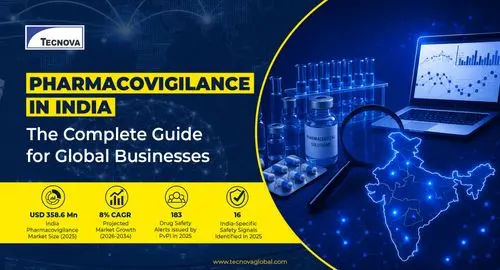
• Pharmacovigilance in India: The Complete Guide for Global Businesses
• India MedTech Industry: Roadmap to Global Healthcare Leadership
• India Biotech Market Growth: The Role of Strategic Life Sciences Consulting
• Key Healthcare Trends Transforming India’s Market for Global Investors
USD 130 billion - Expected size of India’s pharmaceutical market by 2030.
20% - Approx. share of global generic medicines supplied by India.
70% - Nearly this share of global vaccine demand is supplied by India.
10,500+ - Pharmaceutical manufacturing facilities across the country.
200+ Countries - India’s pharmaceutical exports reach markets worldwide.
Global Talent Pool - Strong capabilities across R&D, manufacturing, quality and regulatory functions.
High-Growth Segments - APIs, CDMO, biotechnology, biosimilars, clinical research and medical devices.
Multiple Entry Routes - Companies can enter through partnerships, contract manufacturing, acquisitions, JVs or their own operations.
India is not just a manufacturing destination - it can be a strategic growth platform across the pharmaceutical value chain.
Market Opportunity Assessment - Identify the right pharmaceutical segments, competitors and growth opportunities.
India Market Entry Strategy - Build the right entry model based on your investment goals, risk appetite and growth plans.
Regulatory & Compliance Support - Navigate product registration, regulatory requirements and compliance obligations.
Partner Identification & Due Diligence - Find and evaluate the right distributors, manufacturers, CRAMS, clinical research and strategic partners.
Business Setup & Incorporation - Support the establishment of the right India entity and operating structure.
Manufacturing & Factory Setup - Support greenfield or brownfield projects, including planning and project management.
Sourcing & Supply Chain - Identify sourcing opportunities for APIs, formulations and intermediates while building an efficient supply chain.
Commercialisation & Distribution - Develop go-to-market strategies and support distribution rollout.
M&A & Joint Ventures - Evaluate acquisition and JV opportunities and support commercial and strategic due diligence.
Ongoing Expansion Support - Help global pharmaceutical companies scale operations, strengthen their India presence and pursue new growth opportunities.
Tecnova: From India Entry Strategy to Local Execution
With 40+ years of experience, 2,000+ clients and operations across 35+ countries, Tecnova helps global companies turn their India expansion plans into practical, locally executed strategies.
India has built its reputation as the ‘pharmacy of the world.’ The nation now offers a complete ecosystem for research, manufacturing, biotechnology, clinical development, exports and many more.
At the same time, global pharmaceutical companies face rising manufacturing costs, supply chain disruptions, patent expiries, stricter regulations, an ageing population and growing demand for personalised medicines and biologics.
As per recent government reports, India's pharmaceutical market is expected to reach USD 130 billion by 2030, while the country already supplies around 20% of the world's generic medicines and nearly 70% of global vaccine demand.
These opportunities make pharmaceutical consulting services important for foreign companies that want to expand into India with confidence and speed.
India has become one of the world's most influential pharmaceutical markets. The nation offers a rare combination of large-scale manufacturing, scientific expertise, regulatory capabilities and competitive production costs. This is the reason the country is a preferred destination for global pharmaceutical companies that are looking to expand.
Today, India ranks as the third-largest pharmaceutical producer by volume and the eleventh-largest by value. As per recent government reports, India is home to more than 10,500 manufacturing facilities, including the highest number of USFDA-compliant plants outside the United States.
India's capabilities extend far beyond generic medicines. The country has built a strong ecosystem across pharmaceutical manufacturing in India, active pharmaceutical ingredients (APIs), contract development and manufacturing (CDMO), biotechnology, clinical research and medical devices.
India offers an ecosystem that supports every stage of pharmaceutical business growth. Here is a detailed understanding of why foreign pharmaceutical companies prefer India for their business:
• Offers cost-efficient manufacturing with globally recognised quality standards
• Aligned with international compliance requirements as a mature regulatory ecosystem
• Has a highly skilled scientific workforce across research, manufacturing and quality assurance
• Offers a strong export infrastructure that serves more than 200 countries
• One of the fastest-growing domestic pharmaceutical markets in the world
• Rapid growth in biotechnology, biosimilars, contract research and advanced therapies.
• Government initiatives such as PLI schemes, bulk drug parks and medical device parks that strengthen domestic manufacturing and reduce import dependence
Regulatory planning, partner selection, commercial strategy, execution, etc., make a successful market entry. This is where experienced pharmaceutical consulting services create long-lasting value. They help global companies enter the Indian market with greater certainty and reduced operational risk.
India's pharmaceutical sector offers several opportunities. For example, global companies can participate across the entire value chain. This allows businesses to choose an expansion model that matches their long-term objectives. Here is a detailed understanding of several high-potential segments:
• Active Pharmaceutical Ingredients (APIs): India continues to strengthen domestic API production through government-backed initiatives.
• Contract Development and Manufacturing (CDMO): Demand for outsourcing continues to grow as pharmaceutical companies look for cost-efficient manufacturing partners.
• Biotechnology and Biosimilars: India has become one of the leading destinations for biosimilar and biologic development. Rising healthcare demand and strong scientific capabilities continue to support it.
• Clinical Research: A large treatment population, experienced investigators and improved regulatory processes make India an attractive destination for clinical trials and drug development.
• Medical Devices: The medical device sector continues to expand. Dedicated manufacturing parks and supportive government policies drive it.
The pharmaceutical industry is expected to grow steadily over the next decade. The growth will happen due to favourable demographics, increasing healthcare expenditure, stronger domestic manufacturing and rising exports. This creates an ideal environment for pharmaceutical business expansion supported by the right strategic guidance.
India offers significant growth potential, but expansion requires careful planning. Companies that underestimate regulatory requirements or local market dynamics often face several challenges. Here are several challenges global pharmaceutical companies face in India:
1. Regulatory and Compliance Requirements
India's pharmaceutical sector is governed by multiple regulatory authorities. Foreign companies need to comply with licensing requirements, product registrations, quality standards, environmental regulations, etc. Regulatory timelines also vary depending on the product category and approval pathway.
2. Intellectual Property and Patent Protection
India follows a well-established intellectual property framework that balances innovation with public healthcare needs. Patent filing strategies, technology transfer agreements and data protection require careful legal evaluation. Companies need to ensure their intellectual property aligns with Indian regulations.
3. Dependence on Raw Material Imports
Although India has significantly expanded domestic API production, certain raw materials and specialised intermediates still depend on international supply chains. Global disruptions can influence procurement costs and production timelines.
4. Price Control Regulations
Certain pharmaceutical products fall under India's price control framework. Foreign businesses need to understand pricing regulations, reimbursement mechanisms and market access strategies before launching their products. Early commercial planning helps companies maintain profitability while remaining fully compliant.
5. Cross-Border Taxation and Business Structure
Foreign investors should evaluate corporate structures, transfer pricing, customs regulations, indirect taxation and cross-border financial transactions before establishing operations. A well-planned market entry strategy helps reduce unnecessary tax exposure and operational complexity.
6. Talent Availability and Operational Scale
India has one of the world's largest pharmaceutical talent pools. However, competition for experienced specialists is increasing across biologics, regulatory affairs, advanced manufacturing, quality checks and digital healthcare. Businesses also need effective leadership teams that understand local market conditions and regulations.
Foreign pharmaceutical companies need to select the right entry model to enter India successfully. The choice depends on investment capacity, business objectives, risk appetite and long-term growth plans.
Contract manufacturing offers a faster and more cost-effective route to market. It allows companies to leverage established manufacturing facilities, experienced technical teams and existing regulatory approvals.
A joint venture offers greater operational control and stronger local market integration. It allows foreign companies to combine their technology, products, or expertise with an Indian partner. However, this model requires higher investment and careful partner selection.
Regardless of the model global companies choose, detailed commercial evaluation and regulatory planning remain crucial before making investment decisions.
Companies need a structured strategy that aligns commercial objectives with regulatory requirements. These are the steps that help create a successful expansion roadmap:
• Market research and opportunity assessment
• Competitive benchmarking
• Regulatory mapping
• Business model selection
• Partner identification
• Due diligence
• Business setup
• Supply chain planning
• Commercial operations
Each of these stages influences long-term success. Companies that approach expansion through a structured framework are better equipped to manage risks, reduce delays and achieve sustainable growth.
The right consulting partner helps businesses evaluate opportunities objectively, identify suitable collaborators, conduct comprehensive due diligence and develop practical market entry strategies. A right consulting partner also supports regulatory planning, investment evaluation, supply chain design, localisation strategies and risk management.
A strong partner brings local knowledge together with global business experience. This reduces uncertainty during expansion and improves decision-making at every stage. Businesses can respond more quickly to regulatory changes and optimise investments with greater confidence.
India has become one of the world's most attractive pharmaceutical destinations. It offers manufacturing scale, scientific talent, policy support and, overall, a rapidly growing domestic market. Latest government initiatives strengthen local production, improve the supply chain and encourage innovation across pharmaceuticals and biotechnology.
For global companies, India provides a strategic platform for long-term growth. Success depends on choosing the right market entry strategy and an experienced partner. With expert pharmaceutical consulting services, businesses can confidently unlock India's full potential.
Expanding into India's pharmaceutical market requires the right strategy and local expertise. Tecnova helps global companies navigate every stage of the expansion journey through tailored pharmaceutical consulting services.
Here is how Tecnova supports foreign pharmaceutical companies across key business areas:
• India market entry consulting and growth strategy
• Regulatory advisory and compliance support
• Partner identification and due diligence
• Business setup and operational planning
• Supply chain optimisation and risk assessment
• Market expansion and commercial strategy
This end-to-end approach helps businesses reduce risks, speed up market entry and make informed investment decisions.
1. Can a foreign pharmaceutical company sell its existing products in India without setting up a manufacturing facility?
Yes. A foreign pharmaceutical company does not necessarily need to establish a manufacturing facility to enter India. Depending on the product and regulatory requirements, it can work with an approved local manufacturer, distributor or other commercial partner.
This approach can allow a company to test market demand before making a larger manufacturing investment. However, product registration, import requirements, quality standards and distribution arrangements need to be evaluated before launch.
2. Is India better suited for pharmaceutical manufacturing or market expansion?
India can support both objectives. Companies looking for manufacturing diversification can use India's established production ecosystem and supplier base. Companies focused on commercial growth can access a large and expanding domestic healthcare market.
Many international businesses pursue both objectives over time. They may initially enter through imports or partnerships and later establish local manufacturing or other operations as the market develops.
3. What should a foreign pharmaceutical company assess before investing in an Indian facility?
A company should evaluate much more than the cost of land and construction. Important factors include proximity to suppliers and customers, availability of skilled talent, utilities, logistics, regulatory requirements, environmental considerations, manufacturing infrastructure and potential government incentives.
The company should also assess whether the proposed facility can support future production requirements. This can help avoid choosing a location that works for the initial investment but becomes inefficient as the business grows.
4. How can foreign pharmaceutical companies protect their global brand and product positioning in India?
A global pharmaceutical brand may need to adapt its positioning to India's healthcare market while maintaining consistency with its international brand strategy. Companies should understand local competition, customer segments, pricing expectations, distribution channels and healthcare decision-making.
The product strategy should also account for applicable regulatory and intellectual property requirements. A strong local commercial strategy can help a global brand build credibility without losing its international identity.
5. What is the role of local distributors in India's pharmaceutical market?
Local distributors can provide access to established sales networks, healthcare customers, pharmacies and regional markets. They can be particularly useful for companies that want to establish commercial operations without immediately building their own distribution infrastructure.
However, the right distributor depends on the product category, geographic coverage, customer relationships and commercial capabilities. Foreign companies should evaluate potential distributors carefully rather than selecting a partner based only on network size.
6. Can foreign pharmaceutical companies acquire an existing Indian pharmaceutical business?
Yes. Acquisition can be an attractive route for companies that want faster access to manufacturing capacity, products, customers, talent or distribution networks.
However, an acquisition requires detailed commercial, financial, legal, regulatory and operational due diligence. The buyer should also assess intellectual property, product registrations, manufacturing quality, liabilities and integration requirements before completing the transaction.
7. How important is local market research before launching a pharmaceutical product in India?
Local market research can significantly influence the success of a pharmaceutical launch. India's healthcare market is diverse and customer needs can vary across regions and therapeutic areas.
Research can help a foreign company understand competitors, pricing, demand, distribution channels, customer segments and potential market size. These insights can then shape product positioning, pricing and commercial strategy.
8. How can a foreign pharmaceutical company scale its India business after the initial launch?
Once the initial operation is established, companies can expand through additional products, new therapeutic areas, wider distribution networks, local manufacturing, strategic partnerships or acquisitions.
The right expansion path depends on market performance and the company's long-term objectives. Companies should regularly review customer demand, competitive conditions, regulatory developments and operational capacity before making the next investment.
9. When should a foreign pharmaceutical company consider India market entry consulting?
Companies can benefit from India market entry consulting before making major decisions such as selecting an entry model, investing in manufacturing, acquiring a local business, appointing a strategic partner or launching a new product.
Early consulting can help identify market opportunities and potential risks before significant capital is committed. It can also help align commercial, regulatory, operational and investment decisions into one India expansion strategy.
• https://shorturl.at/qI0Qo
• https://shorturl.at/Bw9mv
• https://shorturl.at/2cwOj
• https://shorturl.at/VeflI
• https://shorturl.at/iD8H5
• Pharmacovigilance in India: The Complete Guide for Global Businesses
• India MedTech Industry: Roadmap to Global Healthcare Leadership
• India Biotech Market Growth: The Role of Strategic Life Sciences Consulting
• Key Healthcare Trends Transforming India’s Market for Global Investors











%20(1).png)

.jpg)
.png)


%20(1).png)
.jpg)



.png)



.jpeg)













.png)

.png)







.jpg)




.jpg)

.jpg)