


Services


Sectors
Insights
COMMERCIALIZATION
Insights


.png)


Follow Us
Key Takeaways
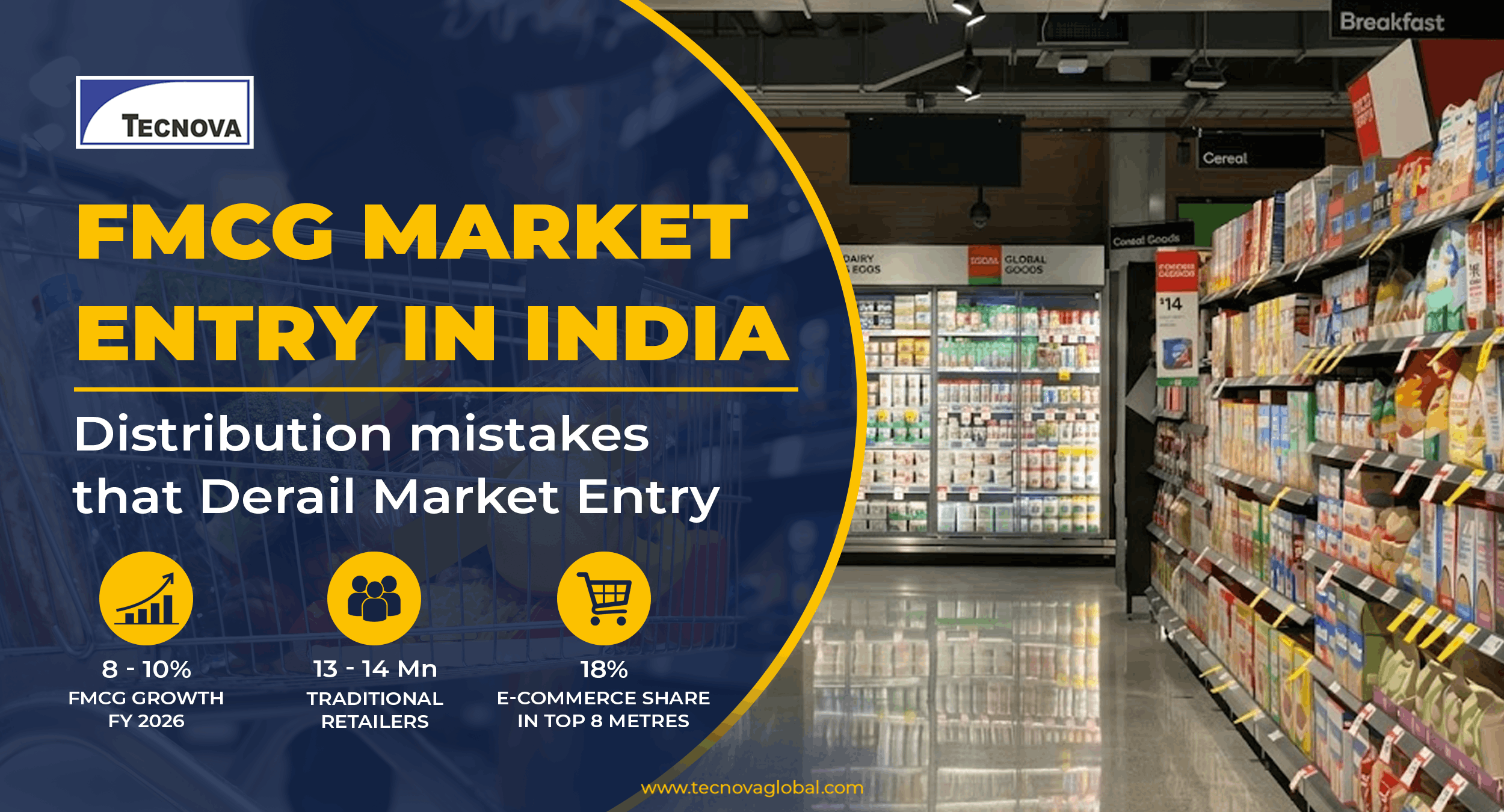
• India's FMCG sector is projected to grow by 8-10% in this fiscal year.
• Success in India's FMCG market depends on a region-specific distribution strategy rather than a one-size-fits-all national approach.
• A single nationwide distributor typically lacks the regional reach necessary to serve India's diverse consumer markets.
• Traditional retail remains dominant, but e-commerce and quick commerce are reshaping how brands should approach FMCG distribution in India.
• Partnering with experienced market entry experts enables businesses to develop scalable distribution strategies.
Tecnova helps global FMCG companies navigate India’s complex distribution landscape by assessing market opportunities, identifying the right regional partners and channels, developing go-to-market and distribution strategies and supporting execution for scalable market entry and expansion.
India has become one of the world's fastest-growing consumer markets. Rising disposable incomes, rapid urbanisation and expanding digital commerce continue to create new opportunities for international consumer brands.
According to reports, India's FMCG sector is expected to maintain healthy revenue growth of around 8-10% in 2026, while modern retail and digital channels continue to gain market share.
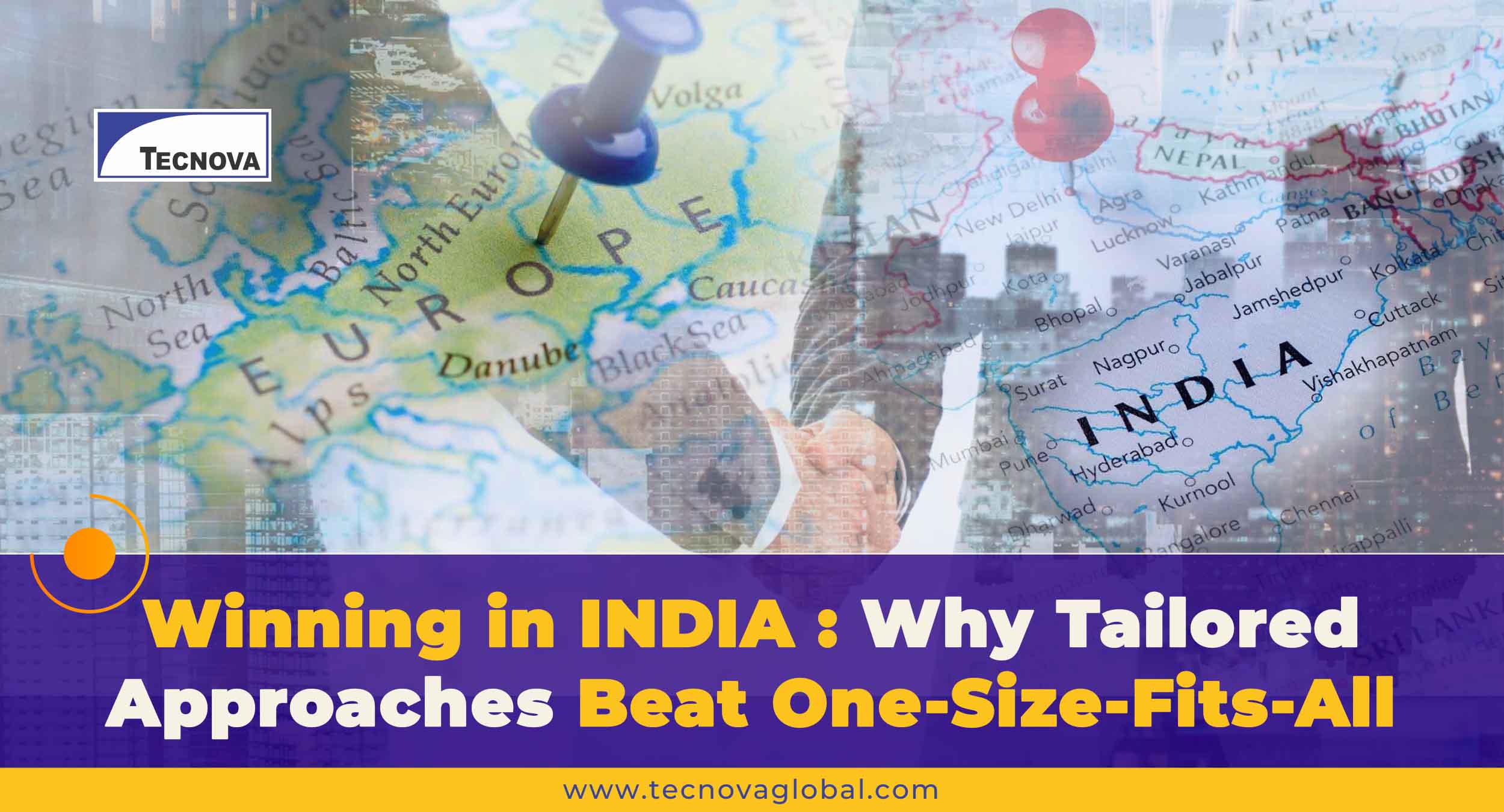
However, entering India is very different from entering a single European market. Instead of one unified consumer landscape, businesses must navigate multiple regional markets, diverse purchasing behaviours, thousands of distributors and millions of retail outlets.
A successful FMCG market entry in India depends on building a distribution network that reflects India's unique geography, retail structure and consumer diversity.
India offers one of the strongest long-term growth opportunities for global FMCG companies. A combination of favourable demographics, economic expansion and policy support helps strengthen India’s consumer market. Here are some structural shifts that make the Indian market increasingly attractive:
• India has one of the world's largest consumer bases, with a growing middle-income population driving demand for premium and international FMCG products.
• Organised retail continues to expand across metropolitan, Tier 2 and Tier 3 cities. It creates new opportunities for foreign brands.
• E-commerce now contributes approximately 18% of FMCG sales across India's top eight metros, with quick commerce driving three-fourths of this online growth.
• Government initiatives that improve ease of doing business, expand logistics infrastructure and encourage foreign investment continue to strengthen India's business environment.
• The growing food processing industry is expected to become a USD 600 billion opportunity by 2030, reflecting the broader strength of India's consumer economy.
• These developments create enormous opportunities for European FMCG brands. Yet market potential alone does not guarantee success. The ability to build an efficient network of FMCG distribution in India often determines if a brand gains sustainable market share or struggles to establish a presence.
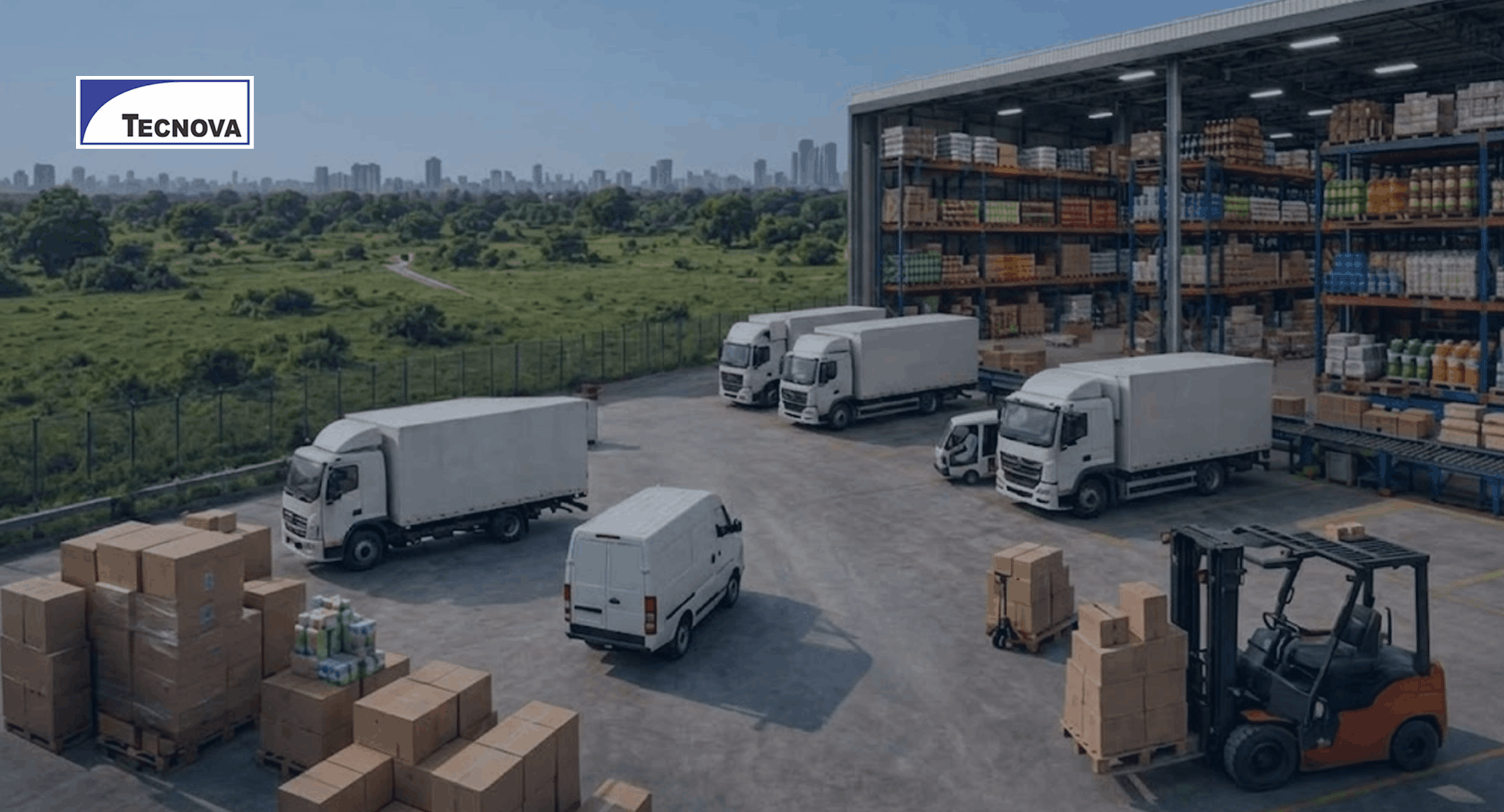
Despite India's immense growth potential, many European FMCG brands struggle to achieve success because of avoidable distribution errors. The challenge lies in navigating one of the world's most complex retail ecosystems.
An estimated 13-14 million traditional retailers still account for nearly 85-90% of grocery retail, even as e-commerce and quick commerce continue to expand rapidly.
Understanding these market realities is important for building an effective FMCG distribution in India. Here is a detailed understanding of what are the common distribution mistakes that can hold back a promising FMCG market entry in India:
1. Relying on One National Distributor
Many European brands appoint a single national distributor to simplify operations, but this approach often limits market reach. India's retail landscape is highly regional and one distributor rarely has strong coverage across every state.
Building a network of regional distribution partners improves product availability, strengthens retailer relationships and creates a more resilient FMCG market entry in India.
2. Copying European Distribution Models
Distribution strategies that work well in Europe may not deliver the same results in India. Consumer behaviour, retail channels and purchasing patterns vary significantly across regions.
Instead of replicating existing business models, foreign businesses should adapt their India distribution strategy to include traditional retail, organised retail and digital commerce for wider market coverage and sustainable growth.
3. Ignoring India's Regional Markets
India is not a single consumer market. Preferences, purchasing power, languages and buying behaviour differ across regions, which directly influence product demand. Businesses that overlook these differences often struggle with inventory planning and market penetration.
A region-specific distribution strategy enables brands to meet local demand more effectively while supporting long-term expansion across the country.
4. Expanding Too Quickly
Rapid nationwide expansion may seem attractive, but it often creates supply chain inefficiencies and higher operating costs. Successful FMCG businesses usually expand in phases. They validate demand before entering new markets.
This approach helps strengthen distributor performance, improve inventory management and reduce operational risks while building a scalable FMCG market entry in India strategy.
5. Lack of Local Market Visibility
Without reliable market intelligence, businesses struggle to track distributor performance, forecast demand and optimise inventory. Limited visibility often leads to stock shortages, excess inventory and slower decision-making.
By using data-driven strategies, companies can improve operational efficiency and build a stronger India distribution strategy that supports sustainable business growth.
Building a successful distribution network in India requires more than selecting the right distributors. Leading European FMCG companies combine technology, regional expertise and channel diversification to create supply chains that can scale sustainably.
Here are some best practices that have consistently helped international brands strengthen their FMCG market entry in India
AI-powered demand forecasting, route optimisation, ERP and CRM help companies reduce stock-outs while improving inventory accuracy. Digital supply chain technologies are becoming increasingly important as India's retail ecosystem grows more connected and data-driven.
Direct-to-retailer models improve product availability, shorten replenishment cycles and provide better visibility into consumer demand. They also enable businesses to collect valuable sales data that supports more accurate forecasting and inventory planning.
Alongside traditional retail, consumers increasingly expect convenient online purchasing and rapid delivery. Quick commerce has emerged as one of the fastest-growing retail channels in India, particularly for everyday grocery and personal care products. This shift is encouraging FMCG companies to rethink strategies and inventory placement.
Organised retail continues to expand across metropolitan areas as well as Tier 2 and Tier 3 cities. It creates new opportunities for international brands. When combined with strong traditional trade networks, organised retail partnerships help businesses create a balanced and resilient distribution ecosystem.
The most successful European FMCG companies approach India as a long-term strategic investment avenue rather than a short-term expansion opportunity. Instead of measuring success solely through initial sales volumes, they focus on strengthening distributor relationships, improving operational capabilities and continuously adapting to consumer preferences.

A successful FMCG market entry in India requires more than identifying distributors. Tecnova works with international FMCG companies to develop distribution models that align with their business objectives while addressing the realities of India's diverse consumer and retail landscape. Here is how Tecnova helps:
Tecnova evaluates market opportunities, consumer demand, competitive dynamics and regional priorities to develop a practical distribution roadmap.
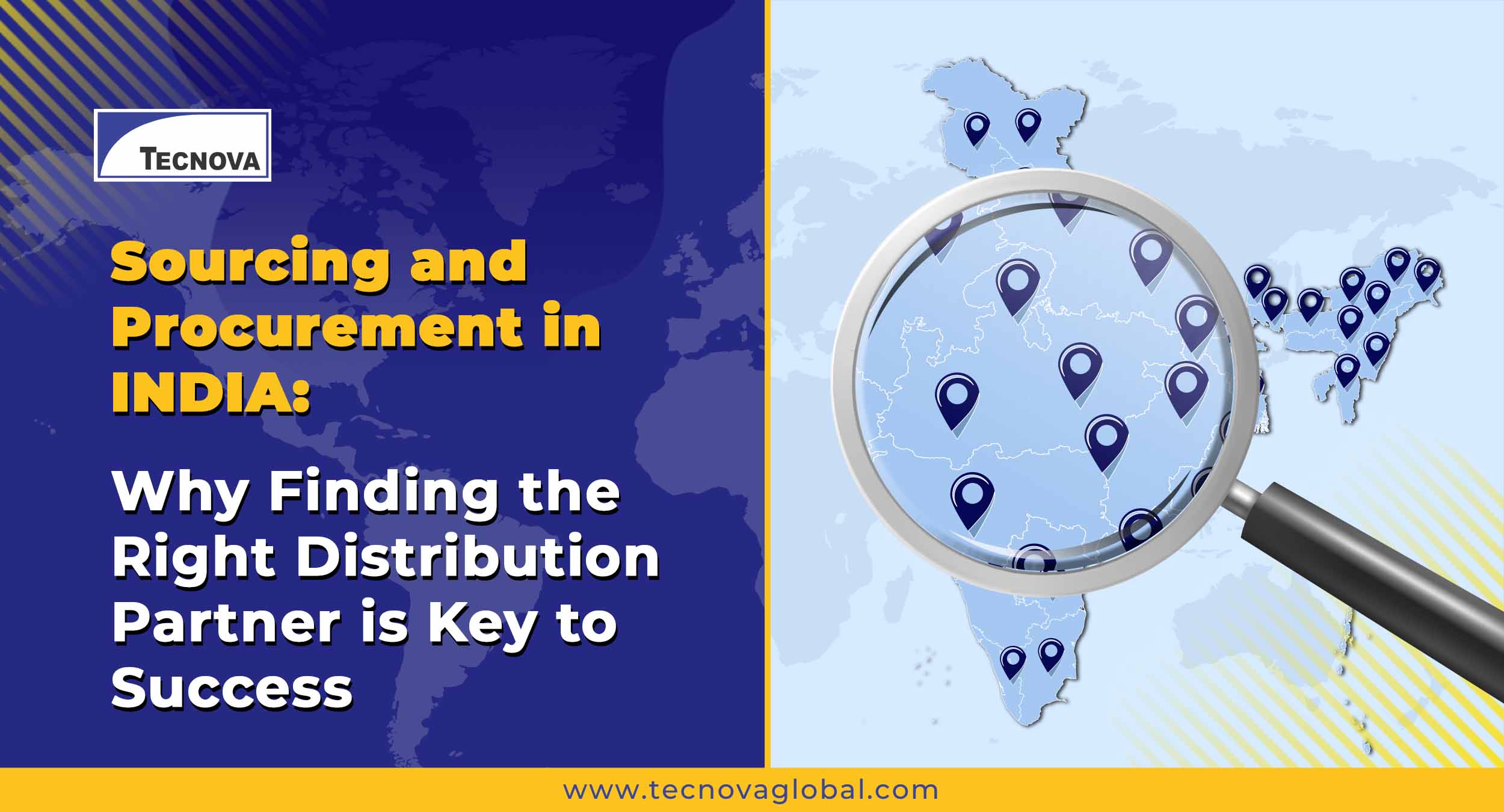
Tecnova helps businesses identify, evaluate and onboard reliable regional distributors, channel partners and retailers that match their growth objectives.
From phased market launches to channel prioritisation and pricing strategy, Tecnova supports businesses to create scalable market entry plans that reduce operational risk.
Tecnova advises on warehouse locations, logistics planning, inventory management and network design to improve efficiency and product availability.
By combining local market expertise with strategic execution support, Tecnova enables international FMCG companies to build resilient distribution networks that accelerate market penetration and support long-term growth.
Yes. In most FMCG segments, foreign companies can establish a 100% wholly owned subsidiary under India's Foreign Direct Investment (FDI) policy, subject to applicable regulations. However, certain activities, product categories and retail formats may have additional compliance requirements. Businesses should evaluate the applicable FDI rules before establishing operations.
Finding the right distributor requires more than reviewing company profiles. Businesses should evaluate regional coverage, financial strength, warehousing capabilities, retailer relationships, product portfolio, technology adoption and operational performance. Many international companies conduct distributor due diligence and pilot programs before entering long-term partnerships.
The cost depends on factors such as company structure, office location, industry regulations, staffing, compliance requirements and operational scale. Beyond incorporation costs, businesses should budget for legal setup, taxation, accounting, licences, recruitment, warehousing and market development activities.
There is no single answer. Market selection depends on the target consumer segment, product category and pricing strategy. While metropolitan cities such as Mumbai, Delhi NCR, Bengaluru, Hyderabad and Chennai remain important entry markets, many international FMCG brands are increasingly expanding into Tier 2 and Tier 3 cities due to rising consumption and improving retail infrastructure.
The required licences depend on the product category. Food and beverage products typically require FSSAI approvals, while cosmetics, personal care, nutraceuticals or specialised consumer products may require additional registrations, import permissions, labelling compliance and quality certifications. Regulatory requirements should be assessed before market launch.
Successful companies typically begin with market research and regional prioritisation before identifying distributors. Instead of appointing one national distributor, many international brands develop multi-region distribution networks supported by organised retail, general trade, e-commerce and quick commerce channels to maximise market coverage.
The most common challenges include identifying reliable distribution partners, navigating regulatory requirements, adapting products to local consumer preferences, managing price sensitivity, building supply chains and competing in a highly fragmented retail market. A well-planned market entry strategy helps minimise these risks.
Yes. Many international brands initially enter India through e-commerce marketplaces and quick commerce platforms to validate consumer demand. However, offline distribution remains critical for long-term growth, as traditional retail continues to account for the majority of FMCG sales across the country.
It depends on the company's business objectives. Some companies initially enter through distributors or import partners to test the market before establishing a legal entity. Others prefer to set up a wholly owned subsidiary from the outset to maintain greater control over branding, pricing, distribution, and long-term expansion.
Entering India involves strategic decisions across market research, regulatory compliance, company incorporation, distributor selection, supply chain planning and go-to-market execution. An experienced India market-entry consulting firm helps businesses reduce risks, accelerate execution, and build a scalable market-entry strategy aligned with long-term growth objectives.
References
Key Takeaways
• India's FMCG sector is projected to grow by 8-10% in this fiscal year.
• Success in India's FMCG market depends on a region-specific distribution strategy rather than a one-size-fits-all national approach.
• A single nationwide distributor typically lacks the regional reach necessary to serve India's diverse consumer markets.
• Traditional retail remains dominant, but e-commerce and quick commerce are reshaping how brands should approach FMCG distribution in India.
• Partnering with experienced market entry experts enables businesses to develop scalable distribution strategies.
Tecnova helps global FMCG companies navigate India’s complex distribution landscape by assessing market opportunities, identifying the right regional partners and channels, developing go-to-market and distribution strategies and supporting execution for scalable market entry and expansion.
India has become one of the world's fastest-growing consumer markets. Rising disposable incomes, rapid urbanisation and expanding digital commerce continue to create new opportunities for international consumer brands.
According to reports, India's FMCG sector is expected to maintain healthy revenue growth of around 8-10% in 2026, while modern retail and digital channels continue to gain market share.
However, entering India is very different from entering a single European market. Instead of one unified consumer landscape, businesses must navigate multiple regional markets, diverse purchasing behaviours, thousands of distributors and millions of retail outlets.
A successful FMCG market entry in India depends on building a distribution network that reflects India's unique geography, retail structure and consumer diversity.
India offers one of the strongest long-term growth opportunities for global FMCG companies. A combination of favourable demographics, economic expansion and policy support helps strengthen India’s consumer market. Here are some structural shifts that make the Indian market increasingly attractive:
• India has one of the world's largest consumer bases, with a growing middle-income population driving demand for premium and international FMCG products.
• Organised retail continues to expand across metropolitan, Tier 2 and Tier 3 cities. It creates new opportunities for foreign brands.
• E-commerce now contributes approximately 18% of FMCG sales across India's top eight metros, with quick commerce driving three-fourths of this online growth.
• Government initiatives that improve ease of doing business, expand logistics infrastructure and encourage foreign investment continue to strengthen India's business environment.
• The growing food processing industry is expected to become a USD 600 billion opportunity by 2030, reflecting the broader strength of India's consumer economy.
• These developments create enormous opportunities for European FMCG brands. Yet market potential alone does not guarantee success. The ability to build an efficient network of FMCG distribution in India often determines if a brand gains sustainable market share or struggles to establish a presence.
Despite India's immense growth potential, many European FMCG brands struggle to achieve success because of avoidable distribution errors. The challenge lies in navigating one of the world's most complex retail ecosystems.
An estimated 13-14 million traditional retailers still account for nearly 85-90% of grocery retail, even as e-commerce and quick commerce continue to expand rapidly.
Understanding these market realities is important for building an effective FMCG distribution in India. Here is a detailed understanding of what are the common distribution mistakes that can hold back a promising FMCG market entry in India:
1. Relying on One National Distributor
Many European brands appoint a single national distributor to simplify operations, but this approach often limits market reach. India's retail landscape is highly regional and one distributor rarely has strong coverage across every state.
Building a network of regional distribution partners improves product availability, strengthens retailer relationships and creates a more resilient FMCG market entry in India.
2. Copying European Distribution Models
Distribution strategies that work well in Europe may not deliver the same results in India. Consumer behaviour, retail channels and purchasing patterns vary significantly across regions.
Instead of replicating existing business models, foreign businesses should adapt their India distribution strategy to include traditional retail, organised retail and digital commerce for wider market coverage and sustainable growth.
3. Ignoring India's Regional Markets
India is not a single consumer market. Preferences, purchasing power, languages and buying behaviour differ across regions, which directly influence product demand. Businesses that overlook these differences often struggle with inventory planning and market penetration.
A region-specific distribution strategy enables brands to meet local demand more effectively while supporting long-term expansion across the country.
4. Expanding Too Quickly
Rapid nationwide expansion may seem attractive, but it often creates supply chain inefficiencies and higher operating costs. Successful FMCG businesses usually expand in phases. They validate demand before entering new markets.
This approach helps strengthen distributor performance, improve inventory management and reduce operational risks while building a scalable FMCG market entry in India strategy.
5. Lack of Local Market Visibility
Without reliable market intelligence, businesses struggle to track distributor performance, forecast demand and optimise inventory. Limited visibility often leads to stock shortages, excess inventory and slower decision-making.
By using data-driven strategies, companies can improve operational efficiency and build a stronger India distribution strategy that supports sustainable business growth.
Building a successful distribution network in India requires more than selecting the right distributors. Leading European FMCG companies combine technology, regional expertise and channel diversification to create supply chains that can scale sustainably.
Here are some best practices that have consistently helped international brands strengthen their FMCG market entry in India
AI-powered demand forecasting, route optimisation, ERP and CRM help companies reduce stock-outs while improving inventory accuracy. Digital supply chain technologies are becoming increasingly important as India's retail ecosystem grows more connected and data-driven.
Direct-to-retailer models improve product availability, shorten replenishment cycles and provide better visibility into consumer demand. They also enable businesses to collect valuable sales data that supports more accurate forecasting and inventory planning.
Alongside traditional retail, consumers increasingly expect convenient online purchasing and rapid delivery. Quick commerce has emerged as one of the fastest-growing retail channels in India, particularly for everyday grocery and personal care products. This shift is encouraging FMCG companies to rethink strategies and inventory placement.
Organised retail continues to expand across metropolitan areas as well as Tier 2 and Tier 3 cities. It creates new opportunities for international brands. When combined with strong traditional trade networks, organised retail partnerships help businesses create a balanced and resilient distribution ecosystem.
The most successful European FMCG companies approach India as a long-term strategic investment avenue rather than a short-term expansion opportunity. Instead of measuring success solely through initial sales volumes, they focus on strengthening distributor relationships, improving operational capabilities and continuously adapting to consumer preferences.
A successful FMCG market entry in India requires more than identifying distributors. Tecnova works with international FMCG companies to develop distribution models that align with their business objectives while addressing the realities of India's diverse consumer and retail landscape. Here is how Tecnova helps:
Tecnova evaluates market opportunities, consumer demand, competitive dynamics and regional priorities to develop a practical distribution roadmap.
Tecnova helps businesses identify, evaluate and onboard reliable regional distributors, channel partners and retailers that match their growth objectives.
From phased market launches to channel prioritisation and pricing strategy, Tecnova supports businesses to create scalable market entry plans that reduce operational risk.
Tecnova advises on warehouse locations, logistics planning, inventory management and network design to improve efficiency and product availability.
By combining local market expertise with strategic execution support, Tecnova enables international FMCG companies to build resilient distribution networks that accelerate market penetration and support long-term growth.
Yes. In most FMCG segments, foreign companies can establish a 100% wholly owned subsidiary under India's Foreign Direct Investment (FDI) policy, subject to applicable regulations. However, certain activities, product categories and retail formats may have additional compliance requirements. Businesses should evaluate the applicable FDI rules before establishing operations.
Finding the right distributor requires more than reviewing company profiles. Businesses should evaluate regional coverage, financial strength, warehousing capabilities, retailer relationships, product portfolio, technology adoption and operational performance. Many international companies conduct distributor due diligence and pilot programs before entering long-term partnerships.
The cost depends on factors such as company structure, office location, industry regulations, staffing, compliance requirements and operational scale. Beyond incorporation costs, businesses should budget for legal setup, taxation, accounting, licences, recruitment, warehousing and market development activities.
There is no single answer. Market selection depends on the target consumer segment, product category and pricing strategy. While metropolitan cities such as Mumbai, Delhi NCR, Bengaluru, Hyderabad and Chennai remain important entry markets, many international FMCG brands are increasingly expanding into Tier 2 and Tier 3 cities due to rising consumption and improving retail infrastructure.
The required licences depend on the product category. Food and beverage products typically require FSSAI approvals, while cosmetics, personal care, nutraceuticals or specialised consumer products may require additional registrations, import permissions, labelling compliance and quality certifications. Regulatory requirements should be assessed before market launch.
Successful companies typically begin with market research and regional prioritisation before identifying distributors. Instead of appointing one national distributor, many international brands develop multi-region distribution networks supported by organised retail, general trade, e-commerce and quick commerce channels to maximise market coverage.
The most common challenges include identifying reliable distribution partners, navigating regulatory requirements, adapting products to local consumer preferences, managing price sensitivity, building supply chains and competing in a highly fragmented retail market. A well-planned market entry strategy helps minimise these risks.
Yes. Many international brands initially enter India through e-commerce marketplaces and quick commerce platforms to validate consumer demand. However, offline distribution remains critical for long-term growth, as traditional retail continues to account for the majority of FMCG sales across the country.
It depends on the company's business objectives. Some companies initially enter through distributors or import partners to test the market before establishing a legal entity. Others prefer to set up a wholly owned subsidiary from the outset to maintain greater control over branding, pricing, distribution, and long-term expansion.
Entering India involves strategic decisions across market research, regulatory compliance, company incorporation, distributor selection, supply chain planning and go-to-market execution. An experienced India market-entry consulting firm helps businesses reduce risks, accelerate execution, and build a scalable market-entry strategy aligned with long-term growth objectives.
References





.png)



%20(1).png)
.jpg)
.png)



%20(1).png)
.jpg)



.png)


.jpeg)



.png)

.png)


.jpg)


.jpg)


